Trump First: The Corruption of Global Health Programs
Written by Rylee Pachman, Government Affairs Fellow | Published: June 23, 2026
Earlier this year, 23-year-old Susan Akello was found dead on a porch in eastern Uganda after taking herbal supplements to terminate her pregnancy.
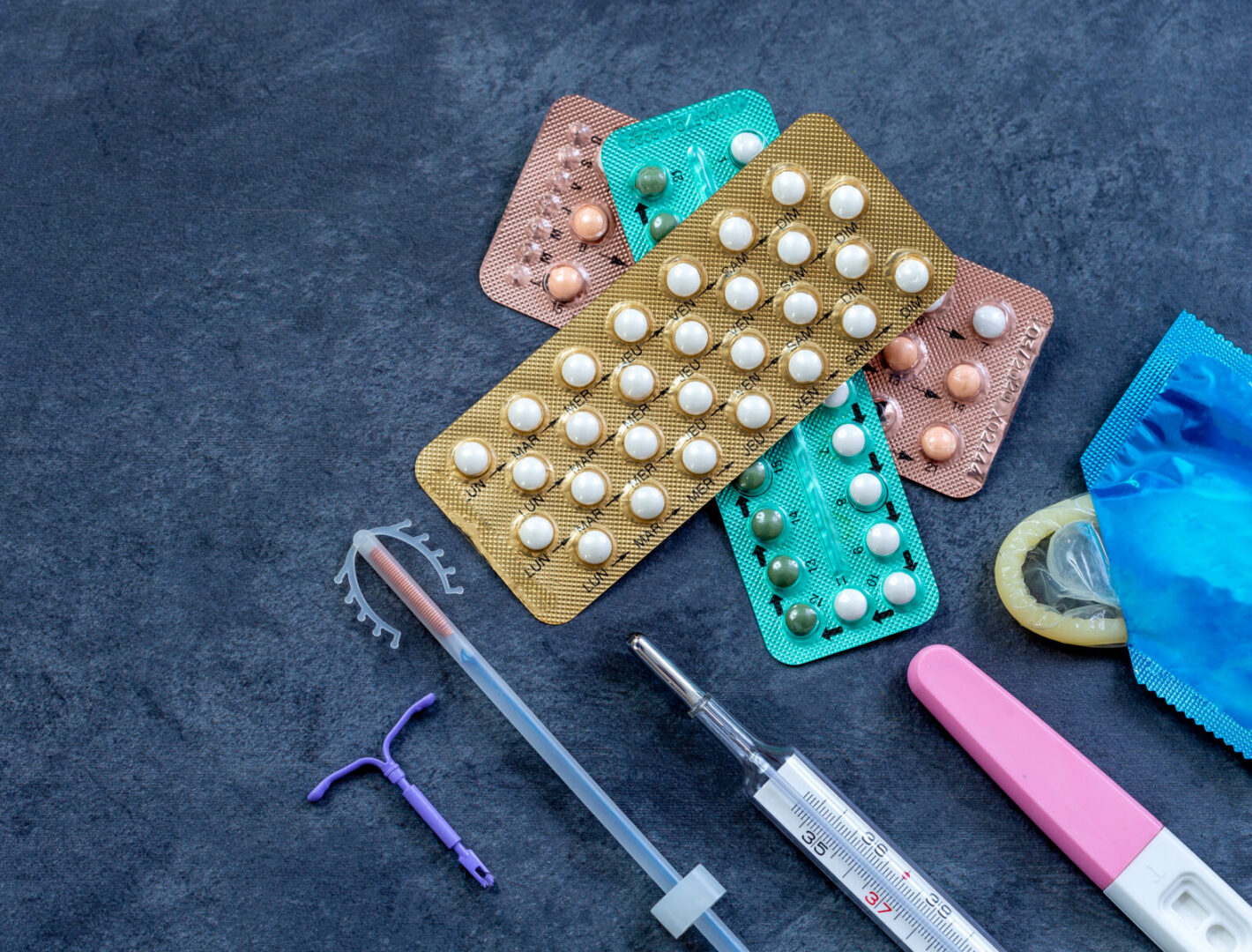
In central Uganda, Prossy Muyingo comes out each night with a glass of water and a birth control pill to give to a 28-year-old who is scared her husband will beat her if he discovers she is taking a contraceptive.
This is the reality for women in many African countries, where reproductive health and family planning services that are funded by the US are becoming more restrictive.
US Bilateral Health Agreements
When Elon Musk and Donald Trump shut down the long standing and globally respected U.S. Agency for International Development (USAID) and insisted on destroying millions of dollars’ worth of contraceptive supplies, they undermined decades of progress.
Now the administration is seeking to replace USAID with bilateral agreements that will further weaponize foreign assistance in service of the Trump-Vance right-wing agenda. These will strictly limit the provision of contraceptives and reproductive health care.
These agreements are part of the State Department’s new America First Global Health Strategy. The strategy seeks to push NGOs out of the delivery of health care and other services in favor of one-on-one agreements with other governments. So far, 32 countries (mostly in Africa and Latin America) have signed these agreements. In the typical fashion of the Trump-Vance administration, these agreements have been used to pressure governments to adopt policies that the administration wants. An agreement with Kenya was blocked by that nation’s High Court over the obligation to share confidential health data with the United States. In Zambia, the government rejected a proposed agreement that attempted to tie HIV funding to data-sharing demands and the transfer of critical minerals. According to the Human Rights Watch’s assessment of these new agreements, “health aid is being inappropriately leveraged to extract terms beneficial to the US in negotiations around natural resources and access to sensitive health data from recipient countries.”
These agreements are also subject to the administration’s newly expanded Global Gag Rule which bans diversity, equity, and inclusion (DEI) and “gender ideology” initiatives.
Effects on Reproductive Health Services
The Trump-Vance administration has made it clear that international reproductive health and family planning are not part of its agenda. In May 2025, Secretary of State Marco Rubio was asked at a congressional hearing about spending the money Congress appropriated for family planning. He said, “There’s no plan to spend that money. We’re not going to be in that business globally. We’re not going to do it.” And in June 2026 he told Rep. Grace Meng (D-NY) that making contraceptives available for people around the world was “not in the national interest.”
According to the Guttmacher Institute, each year without a US investment in international family planning results in 17.1 million unintended pregnancies, 7.6 million unplanned births, 5.2 million unsafe abortions, and 34,000 maternal deaths. Rates of unsafe abortion are nearly 45% higher in countries that restrict abortion than in countries that do not. In Mozambique, aid organizations reported a 7% increase in pregnancies among adolescents in places with restricted reproductive services due to US funding cuts.
As part of the Trump-Vance administration’s pronatalist, anti-rights initiative, the US let $9.7 million worth of taxpayer-purchased contraceptives expire in Belgian warehouses instead of distributing them within the low-income countries that were meant to receive them.
Other Risks for Africa
The bilateral health agreements pose other risks for African countries, both economic and political. They lock governments into spending on Trump’s priorities rather than their own, and they weaken regional multilateral coordination. The loss of USAID is especially evident in the current Ebola outbreak. During previous outbreaks, USAID was essential in monitoring the disease, preparing response strategies, and ensuring that health facilities had the necessary resources to combat the disease. Due to the Trump Administration’s shut down of USAID, the capacity to mitigate the effects of the new strain of Ebola, which currently has no vaccine and a mortality rate of 30-50%, has been significantly more restricted, leading to more deaths. The CDC warns that this outbreak could match the worst outbreak in history, which caused 11,000 deaths in Africa.
Ultimately, Trump’s America First Global Health Strategy is nothing more than a strategic pronatalist agenda to promote the administration’s right-wing ideology.